

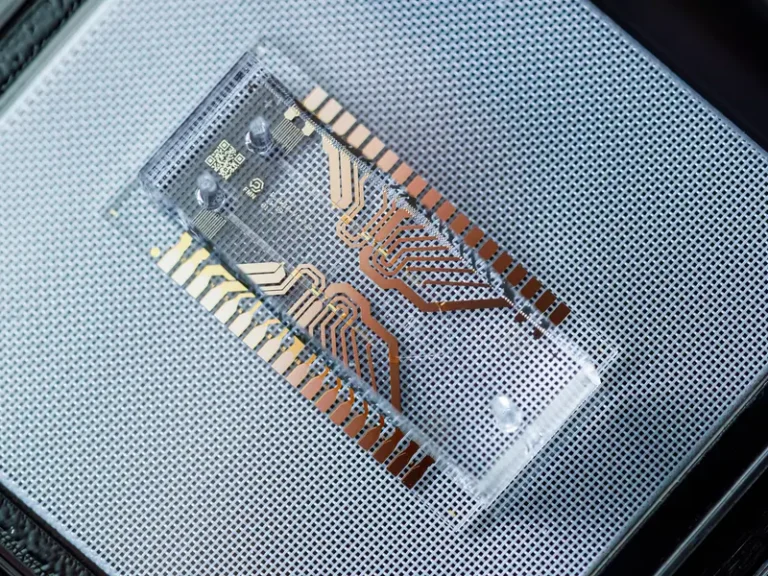

DNA digital data storage represents a revolutionary frontier in computational technology: synthetic chains of nucleotides possess the unprecedented capacity to archive humanity’s entire digital universe within mere grams of biological matter. Facing an impending global crisis of silicon scaling and the exorbitant energy appetite of hyperscale data centers, DNA molecules offer astronomical storage density and millennia of archival stability without requiring electrical power.
The Silicon Plateau and the Transition to Molecular Memory
By 2026, global data volume exceeded 175 zettabytes. Conventional magnetic tapes, hard drives, and NAND flash chips are rapidly colliding with thermodynamic limits. Magnetic media degrades within 10 to 20 years, necessitating relentless, resource-heavy migration cycles in cooled data centers that consume substantial portions of the world’s electricity generation.
Biological evolution solved high-density data storage eons ago. Deoxyribonucleic acid boasts a theoretical maximum information density of 215 petabytes (215 million gigabytes) per single gram of dry material. The entirety of recorded human civilization—films, literature, astronomical datasets, and digital archives—can physically fit within the volume of a single teaspoon of DNA.
Encoding Bits to Nucleotides: Algorithms and Synthesis
Unlike binary computer architecture constrained to zeros and ones, DNA data storage leverages a quaternary molecular alphabet: Adenine (A), Cytosine (C), Guanine (G), and Thymine (T). Software pipelines map raw binary data streams into optimized nucleotide sequences utilizing Reed-Solomon error-correction algorithms to prevent sequencing dropouts and eliminate repetitive homopolymer sequences.
Next, automated synthesizers print millions of discrete oligonucleotides tagged with synthetic molecular barcodes. Retrieval is executed via high-throughput nanopore sequencing flow cells, enabling instant computational reconstruction of original files with perfect fidelity.
Up to 215 petabytes per gram—millions of times more compact than existing solid-state enterprise drives.
Encapsulated within silica microspheres, DNA files endure for more than 10,000 years with zero power consumption.
Engineered TdT polymerases synthesize nucleotide sequences at biological speeds in benign aqueous buffers.
Molecular PCR primers enable targeted extraction of specific files from petabyte-scale pools without sequencing the entire database.
Bioengineering Triumphs: Enzymatic TdT and Silica Microcapsules
The primary barrier to commercialization was historically the sluggish pace and chemical toxicity of phosphoramidite synthesis. Breakthroughs spearheaded by Harvard’s Wyss Institute and Microsoft Research have transformed the field by employing terminal deoxynucleotidyl transferase (TdT) enzymes, allowing sustainable nucleotide assembly at rapid speeds.
«DNA is the timeless operating system of biological life. As long as our civilization possesses the capability to sequence genetic material, DNA-stored data will never become obsolete.»
Dr. George Church, Professor of Genetics, Harvard Medical School
To ensure eternal survival, synthetic DNA pools are hermetically sealed inside silica (SiO2) micro-beads, mimicking ancient amber and permafrost fossils from which undamaged prehistoric DNA is regularly extracted. Learn more about foundational molecular discoveries in our article on how early DNA imaging paved the way for current biotechnology.
From Cold Storage to DNA Biocomputing
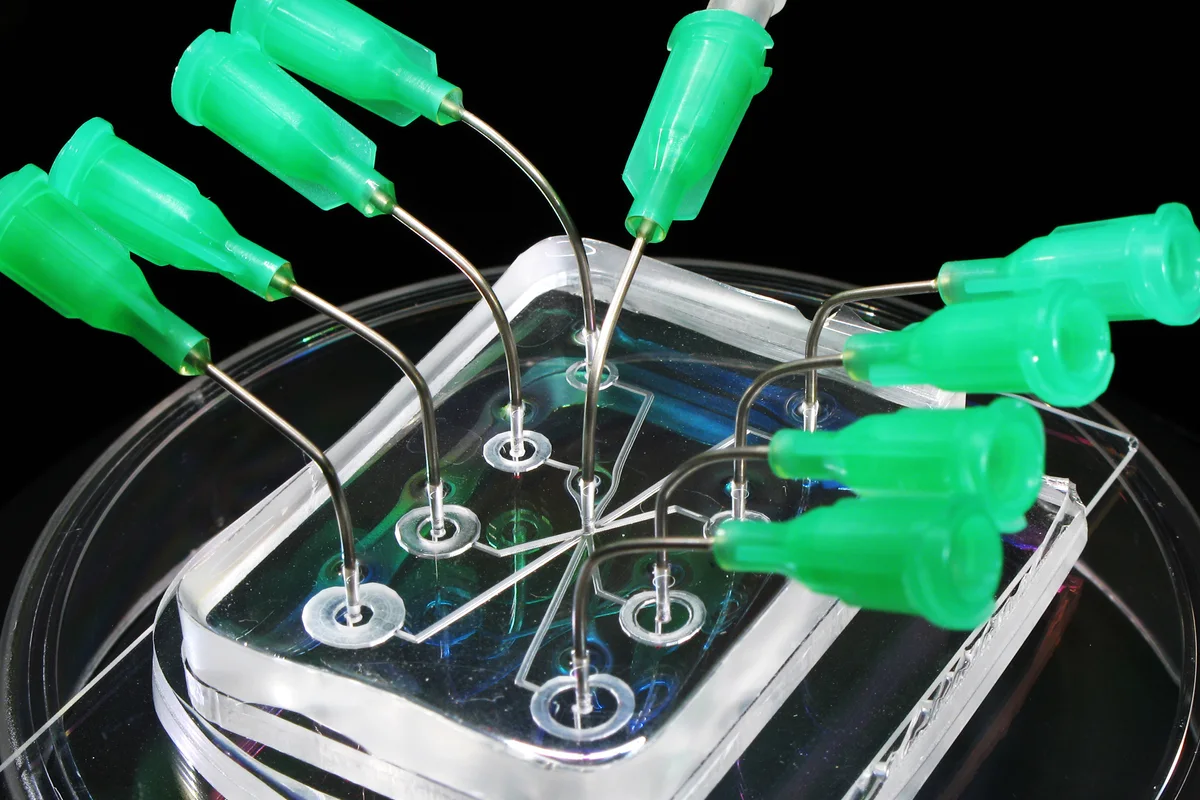
Initial commercial deployment of DNA memory is already securing international heritage archives and global biobanks. In the near future, uniting DNA storage with microfluidic biochips will unlock true biological computing, executing massively parallel computations directly within nucleotide solutions.
DNA digital data storage stands as a testament to the convergence of computing and molecular biology, proving nature crafted the ultimate hard drive millions of years ago.