

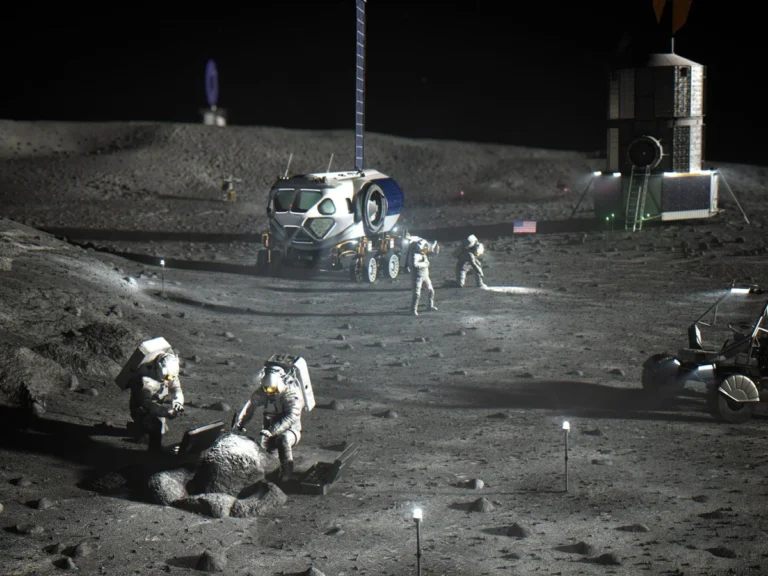

The National Aeronautics and Space Administration has officially opened a historic NASA astronaut recruitment campaign, seeking candidates not merely for routine orbital flights, but to live and work on the surface of the Moon at the future Artemis Base Camp. In a groundbreaking departure from decades of precedent, the agency has substantially expanded its eligibility criteria, welcoming healthcare practitioners and specialists who previously had zero path into the nation’s premier corps of spacefarers.
The Artemis Generation: Why NASA Needs Moon Base Pioneers
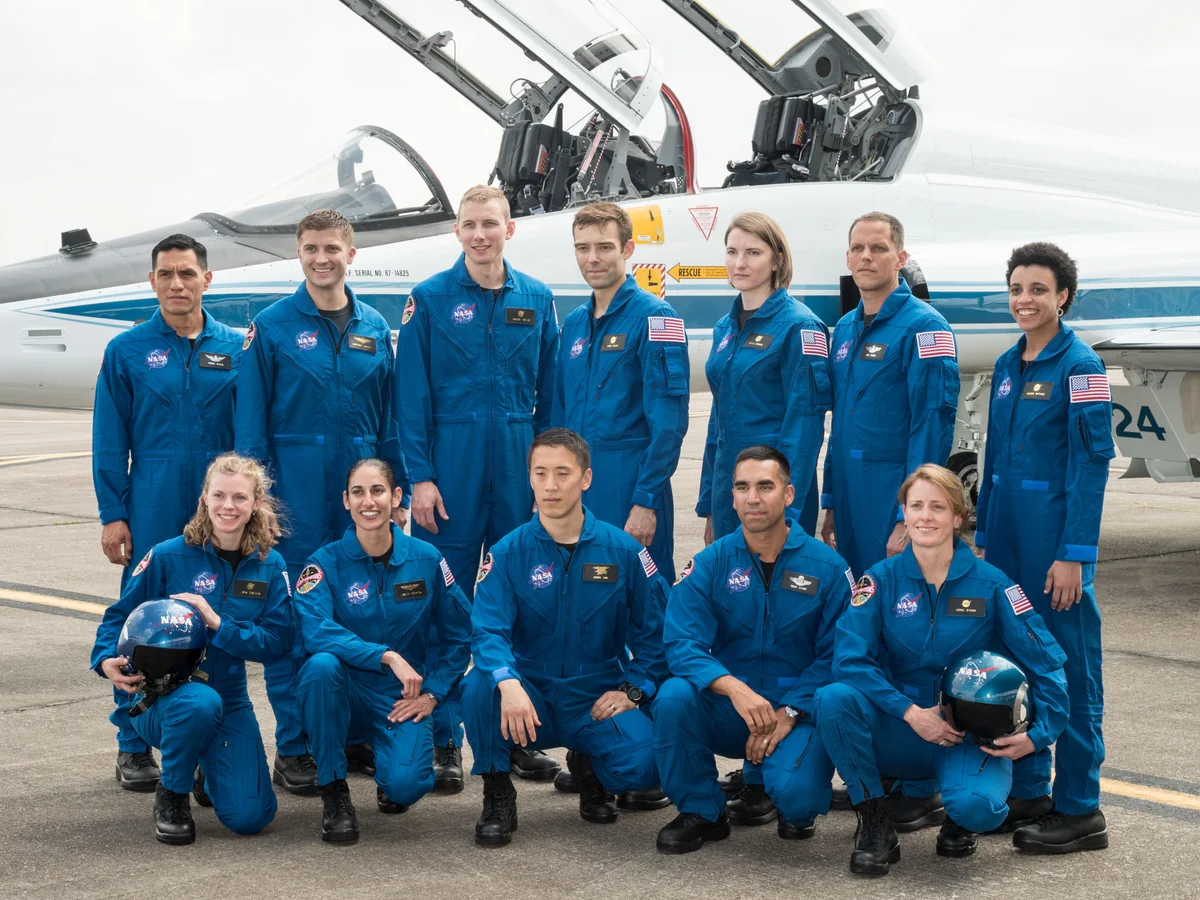
NASA has officially launched applications for its 24th Astronaut Candidate Class, stationed at the iconic Lyndon B. Johnson Space Center in Houston, Texas. Unlike candidate selections from the shuttle era or the past two decades of low-Earth orbit operations aboard the International Space Station, this recruitment cycle is squarely oriented toward deep-space autonomy, lunar polar operations, and the long-term logistical groundwork for human landings on Mars.
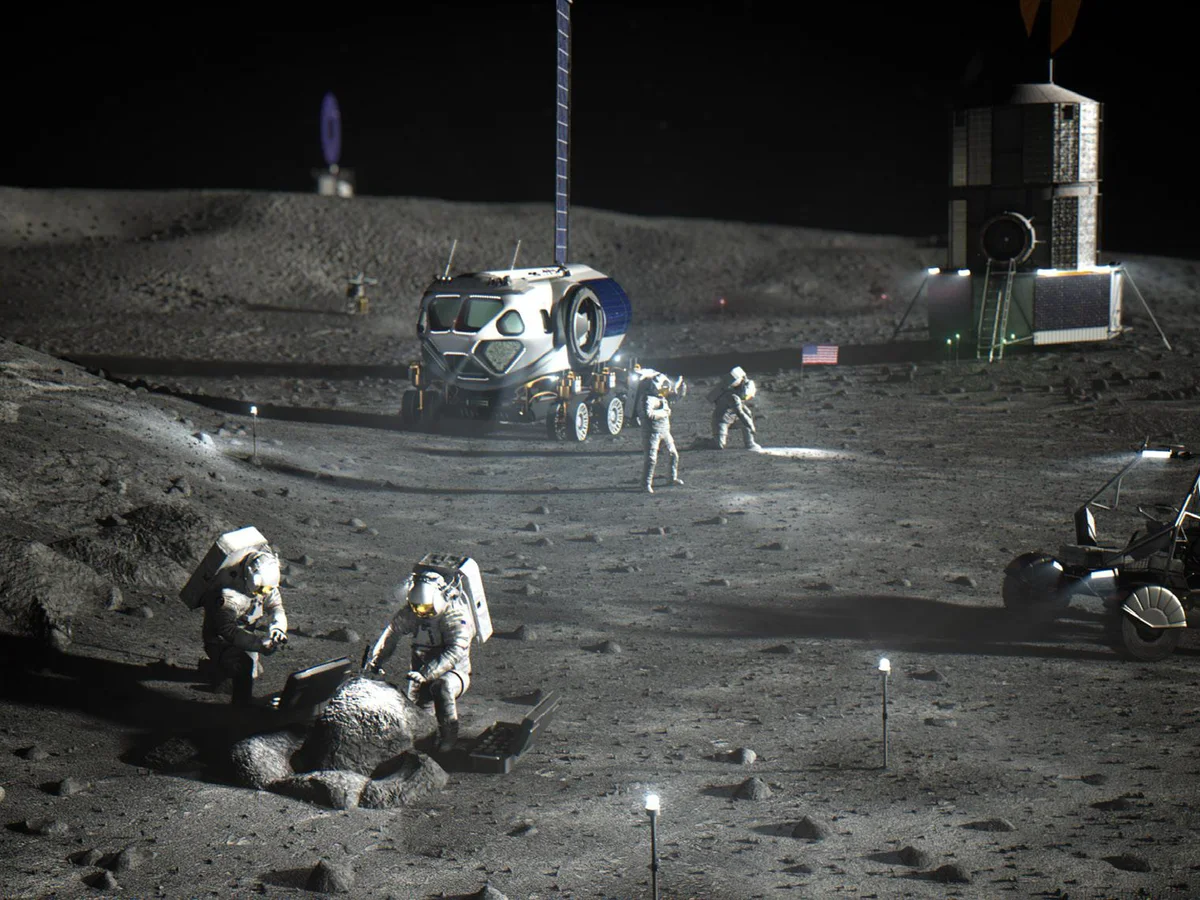
Surviving at the Moon’s South Pole—specifically around the rim of permanently shadowed craters such as Shackleton—presents environmental extremes never before encountered by human explorers. Crews will have to manage environmental control and life support systems (ECLSS) independently, perform intricate field medicine under one-sixth Earth gravity, and resolve catastrophic habitat hardware failures with virtually zero chance of rapid planetary evacuation.
The application window on the federal USAJOBS portal remains open until December 3, after which NASA’s selection committee will winnow down thousands of qualified candidates. The final cohort of 8 to 12 astronaut candidates will be announced in late 2027, subsequently embarking on an exhaustive two-year basic astronaut training curriculum.
The initiative gains urgent scientific significance given recent medical discoveries: as documented by NASA deep-space astronaut health and radiation studies, extended missions outside Earth’s protective magnetosphere induce critical vascular and cardiac stresses that require exceptional medical monitoring.
The Eligibility Overhaul: Advanced Nursing and Clinical Practitioners Welcomed
The most remarkable evolution in the new announcement is the substantial broadening of qualifying master’s degrees. Traditionally, applicants were strictly required to possess a master’s degree in a conventional STEM discipline—such as mechanical engineering, physics, mathematics, or computer science—or an allopathic medical doctorate (MD).
Recognizing that a long-term lunar surface outpost demands robust clinical acute-care expertise, NASA has formally expanded its acceptance criteria to include advanced practice registered nurses (APRNs). Candidates holding a master’s in nursing, Nurse Practitioners (NP), Doctor of Nursing Practice (DNP) degrees, Doctor of Osteopathic Medicine (DO), and certified Physician Assistants (PA) are now officially eligible to apply.
This adjustment reflects a pragmatic calculation by space medicine strategists. Aboard the ISS, situated 250 miles above Earth, a critically ill astronaut can be returned via a Crew Dragon or Soyuz capsule within hours. On a lunar surface base, return requires days of transit via the Gateway station. Having crew members with extensive intensive care, emergency triage, and surgical trauma backgrounds is essential to expedition survival.
Furthermore, doctoral candidates who have completed at least two full years of full-time study toward a recognized STEM Ph.D. program, as well as graduates of recognized test pilot schools, meet the academic prerequisite threshold.
«We are stepping into an unprecedented era where humanity establishes a permanent presence on another celestial world. These new astronauts will not only explore lunar polar geology—they will build the first enduring bridge toward Mars.»
Bill Nelson, 14th Administrator of NASA
Engineering the Artemis Base Camp: Habitats, Rovers, and Surface Fission Power
Candidates selected in this class will fly aboard advanced Human Landing System (HLS) landers developed by commercial partners, including SpaceX’s Starship HLS and Blue Origin’s Blue Moon lander. Rather than the short Apollo sorties that lasted between 21 hours and 3 days, Artemis IV and subsequent missions will establish long-duration surface tours lasting between 30 and 60 continuous days.
The physical architecture of Artemis Base Camp will feature three central components: the foundational habitat (Foundation Habitat) providing pressurized living and laboratory quarters for up to four astronauts; the unpressurized Lunar Terrain Vehicle (LTV) for local transport; and the pressurized rover (developed in partnership with the Japan Aerospace Exploration Agency, JAXA), allowing two crew members to embark on 14-day traverse excursions across dozens of kilometers without donning bulky xEMU spacesuits.
Electrical energy will be sustained by a 40-kilowatt surface fission nuclear power plant capable of surviving the 14-day cryogenic lunar night, when temperatures plummet to -170 degrees Celsius. Astronauts will also prospect for water ice trapped in cold traps to supply drinking water, oxygen, and liquid hydrogen propellant.
STEM Master’s degree, Medical Doctorate (MD/DO), Advanced Practice Nurse (NP/DNP), PA, or 2 years into a STEM Ph.D.
At least 3 years of related professional post-degree experience or 1,000 hours as pilot-in-command in jet aircraft.
Full clearance under NASA Long-Duration Spaceflight Physical, 20/20 vision, and strict blood pressure criteria.
Lunar South Pole exploration, habitation of Artemis Base Camp, and operational groundwork for crewed Mars missions.
Physical Qualifications, Competitive Rigor, and Federal Compensation
Despite wider educational access, the medical and physiological benchmarks remain extraordinarily demanding. Candidates must demonstrate 20/20 vision in each eye (corrective procedures are permitted), a resting blood pressure not exceeding 140/90 mmHg, and body anthropometry compatible with Orion spacecraft couches and ingress hatches.
Beyond physiological assessments, applicants undergo extensive psychological evaluations, hyperbaric chamber altitude testing, centrifuge runs, and remote wilderness survival simulations designed to measure emotional stability and team performance under intense stress.
Applicants must be United States citizens with at least three years of progressively responsible professional experience following master’s degree completion (or a minimum of 1,000 hours of pilot-in-command flight time in jet aircraft). Candidates selected will be appointed under the federal General Schedule at grades GS-13 through GS-15, offering starting salaries from approximately $152,000 per year alongside comprehensive federal benefits.
- Federal applications remain open on USAJOBS through December 3.
- A final cohort of 8 to 12 candidates will be formally appointed in late 2027.
- Historic rule changes permit Nurse Practitioners (NP), DNP holders, and Physician Assistants (PA) to apply.
- Federal civilian salary begins at $152,000+ per year under the GS-13 to GS-15 pay band.