

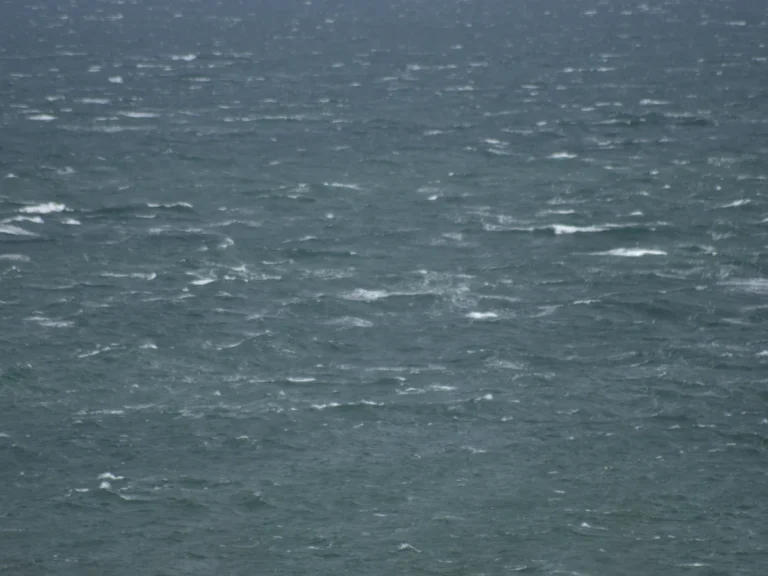

For centuries, maritime logs, whalers’ journals, and naval manuals documented a phenomenon that bordered on the supernatural: vegetable oil, whale blubber, or fish oil poured overboard during violent gales smoothed turbulent ocean water within minutes, converting perilous breaking whitecaps into gentle, rolling swells. This so-called «storm oil» proved such an indispensable lifesaving tool that the British Merchant Shipping Act of 1894 formally mandated that sea-going steamships and lifeboats—including the ill-fated Titanic—carry specialized storm oil tanks and wave dispensers for heavy weather emergencies. Today, modern fluid dynamics and interface chemistry have validated this ancient seafarers’ tradition, revealing the sophisticated molecular physics of monolayers, surface tension gradients, and the Marangoni effect.
From Antiquity to Franklin: The Historical Arc of Wave Quieting
Historical accounts of calming turbulent waters with oil trace back over two millennia to Aristotle and Pliny the Elder’s Natural History in the 1st century AD. Ancient Mediterranean sponge divers routinely filled their mouths with olive oil and released it while submerged: as the buoyant droplets surfaced, they formed an unrippled sheen that eliminated surface glare, allowing daylight to penetrate cleanly down to the seabed.
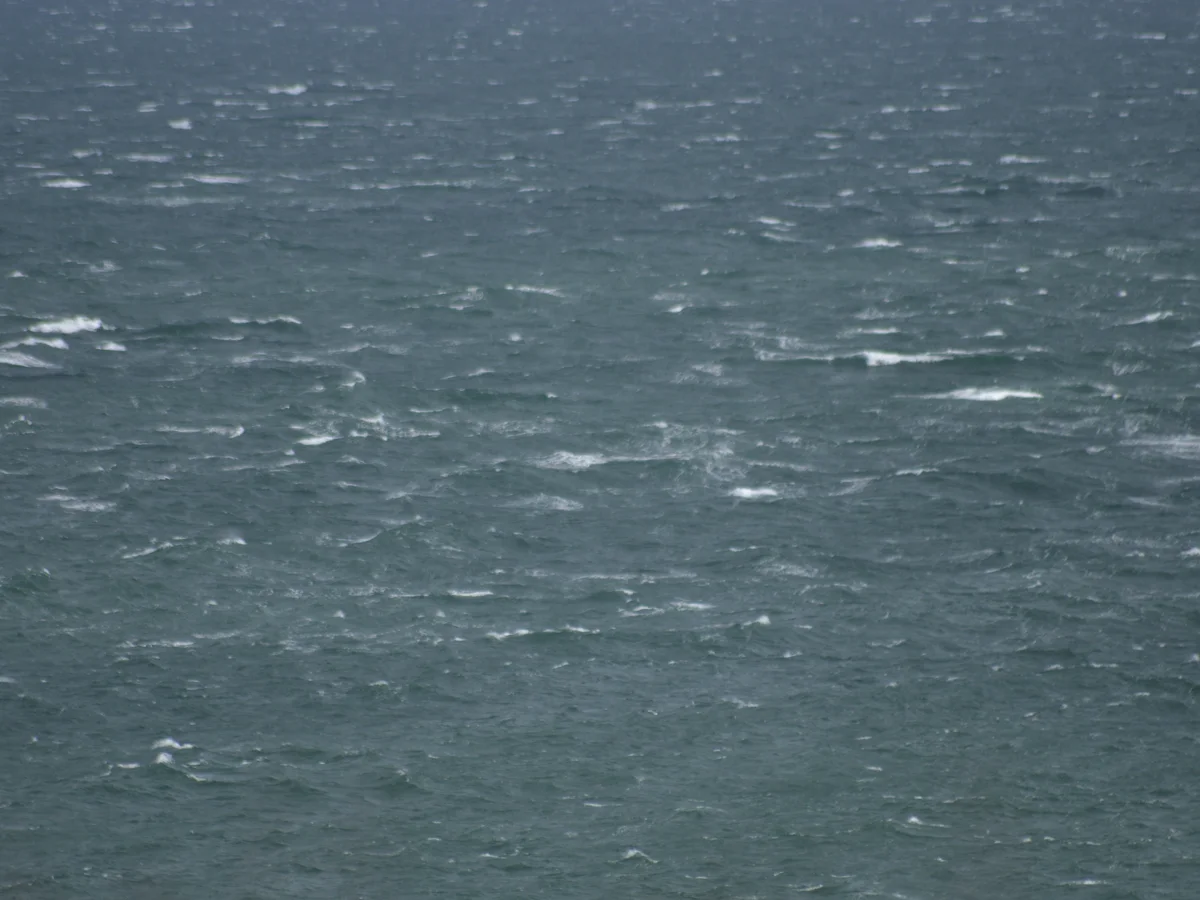
During the Golden Age of Sail, this trick evolved into a standard survival tactic. When a vessel was caught in an overwhelming gale and forced to heave-to, breaking waves posed an existential threat: a single crest collapsing onto the deck could splinter hatch covers, smash deckhouses, and flood the hold. To avert disaster, crews hung canvas bags stuffed with oakum soaked in whale oil or linseed oil off the windward beam, allowing oil to seep steadily across the surrounding waters.
The first figure to subject this maritime practice to rigorous empirical scrutiny was American polymath Benjamin Franklin. In 1774, during a famous demonstration on a wind-whipped pond at Clapham Common near London, Franklin poured a single teaspoon of olive oil onto the surface. The oil film expanded across the pond with remarkable velocity, transforming roughly half an acre (over 2,000 square meters) of turbulent ripples into a glassy sheet.
The Molecular Carpet: Spontaneous Formation of a Monolayer
How can a minuscule volume of oil subdue the immense physical momentum of a storm-tossed sea? The mechanism depends on the unique architecture of amphiphilic triglyceride molecules found in natural oils and animal fats. Each molecule possesses a polar hydrophilic head strongly attracted to water, paired with a long, non-polar hydrophobic hydrocarbon tail that repels it.
When introduced to water, oil droplets do not remain compact lenses. Driven by intermolecular forces, the molecules arrange themselves with their hydrophilic heads anchored in the water while their hydrocarbon tails project upward into the atmosphere. The resulting surface pressure drives the film outward until it forms a continuous, unbroken film exactly one molecule thick—a monolayer measuring merely two nanometers across.
Much like how dermal denticles in ancient ocean predators minimize boundary-layer hydrodynamic drag, this molecular carpet radically alters the interfacial dynamics between water and atmosphere.
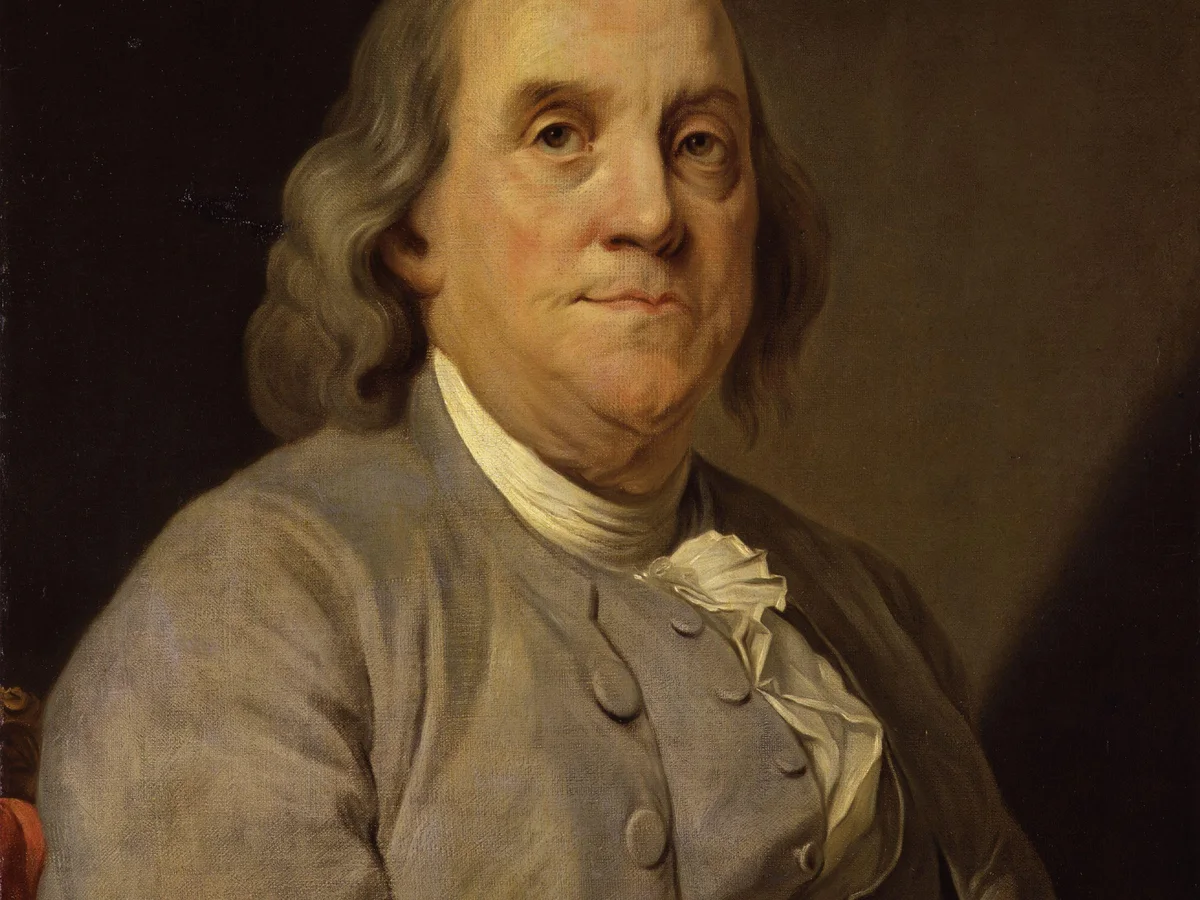
«In 1757, being at sea in a fleet of 96 sail bound against Louisbourg, I observed the wakes of two of the ships were remarkably smooth, while all the others were ruffled by the wind. Asking my captain the reason, he told me the cooks had probably just poured greasy water down the scuppers. Though I dismissed it then as sailors’ lore, my later experiments proved that a single teaspoon of oil instantly calms acres of agitated water.»
Benjamin Franklin, Letter to William Brownrigg and the Royal Society (1774)
Aerodynamic Decoupling: Denying the Wind Mechanical Traction
Ocean waves grow through the transfer of kinetic energy from atmospheric winds into water. However, moving air cannot easily transfer momentum to an entirely frictionless, mirror-smooth water surface; the wind simply slips past. Wave generation begins with microscopic capillary waves—tiny ripples with wavelengths under 1.7 centimeters, governed by the high surface tension of pure water (roughly 72 mN/m).
These capillary ripples serve as aerodynamic roughness elements or micro-sails. As wind gusts strike these protrusions, pressure differentials form across their peaks and troughs, establishing aerodynamic traction. As energy accumulates, capillary ripples expand into gravity waves, which subsequently build into towering storm swells under prolonged gales.
An oil monolayer depresses surface tension by more than half, dropping it to approximately 25–30 mN/m. In the presence of this surfactant film, capillary ripples are extinguished almost instantaneously. Denied this vital surface roughness, wind gusts slip smoothly over the water, cutting off the kinetic energy supply required to sustain wave growth.
Oil molecules spontaneously orient into an unbroken, elastic barrier a single molecule thick across square kilometers.
Extinguishing capillary ripples eliminates aerodynamic surface roughness, preventing wind from transferring kinetic energy.
Local surface tension gradients generate tangential shear forces that rapidly drain wave energy and dissipate it as heat.
Oil preserves underlying rolling swells but prevents crest steepening, shielding ship decks from catastrophic tons of falling water.
Gibbs Elasticity and the Marangoni Effect: Energy Dissipation
Why does oil tame fully developed, massive ocean swells? A common misconception is that storm oil flattens ten-meter-tall ocean swells. In reality, deep-water gravitational swells continue rolling undisturbed; what storm oil prevents is the most destructive hazard of all: wave breaking.
The fatal impact of storm seas is not the smooth rise of the hull, but the kinetic violence of hundreds of tons of breaking water crashing onto the deck. Breaking occurs when the forward velocity of the wave crest outstrips the velocity of the wave base. At this critical juncture, Gibbs surface elasticity and the Marangoni effect intervene.
As a wave undulates, its surface is cyclically stretched over the crest and compressed within the trough. Over stretched regions, surfactant concentration drops, causing surface tension to rise locally. This creates powerful tangential Marangoni stresses that draw oil molecules back toward areas of higher tension. The resulting viscous shear in the boundary layer drains kinetic energy from the wave, dissipating it harmlessly as microscopic heat and preventing the crest from steepening into an avalanche of white water.
- Surface Tension Reduction: Drops from 72 mN/m (clean water) to 25–30 mN/m beneath a surfactant monolayer.
- Spreading Velocity: A single teaspoon of natural oil expands to cover over 2,000 square meters of water within minutes.
- Marangoni Stresses: Tangential surface tension gradients drive restorative fluid counter-currents that suppress turbulence.
- Maritime Code of 1894: Formal British regulations required commercial steamships and lifeboats to carry dedicated storm oil.
Nineteenth-Century Regulations and Modern Environmental Phasing
The operational efficacy of storm oil was so unquestioned that major maritime authorities codified it into law. In the late 19th and early 20th centuries, naval architects equipped vessels with bow oil tanks and drip valves, while lifeboat regulations required dedicated storm oil containers. Rescue lifeboats routinely discharged oil when navigating coastal surf, smoothing breaker zones and landing safely without capsizing.
The primeval struggle between human mariners and ocean waves has long captured the cultural imagination, much like how Hokusai’s iconic Great Wave print series explores humanity’s fragile place in nature.
Why has modern shipping discontinued storm oil? The primary driver is marine conservation. Discharging vegetable oil or petroleum hydrocarbons creates toxic surface slicks that coat marine bird plumage, smother intertidal ecosystems, and block vital atmospheric gas exchange. Furthermore, modern steel hulls, active gyroscopic fin stabilizers, and computerized ballast distribution have rendered the deployment of storm oil an artifact of maritime history.