


For centuries, hereditary genetic mutations were deemed permanent life sentences, condemning millions of individuals to chronic agony and shortened lifespans. Today, the milestone arrival of CRISPR Casgevy gene therapy sickle cell disease has transformed molecular science into practical clinical reality. Regulatory authorizations by the UK’s MHRA and the US FDA for the world’s first commercial gene-editing medicine, Casgevy (exagamglogene autotemcel), inaugurate a new era in modern medicine: clinicians can now engineer patient-derived hematopoietic stem cells ex vivo, permanently banishing debilitating sickle cell anemia and transfusion-dependent beta-thalassemia.
From Bacterial Adaptive Immunity to Nobel Laureate Triumph
The origins of this medical revolution began not in pharmaceutical labs, but in the study of microbial immune defense systems against bacteriophages. Bacteria utilize clustered regularly interspaced short palindromic repeats (CRISPR) as genomic archives to recognize viral intruders.
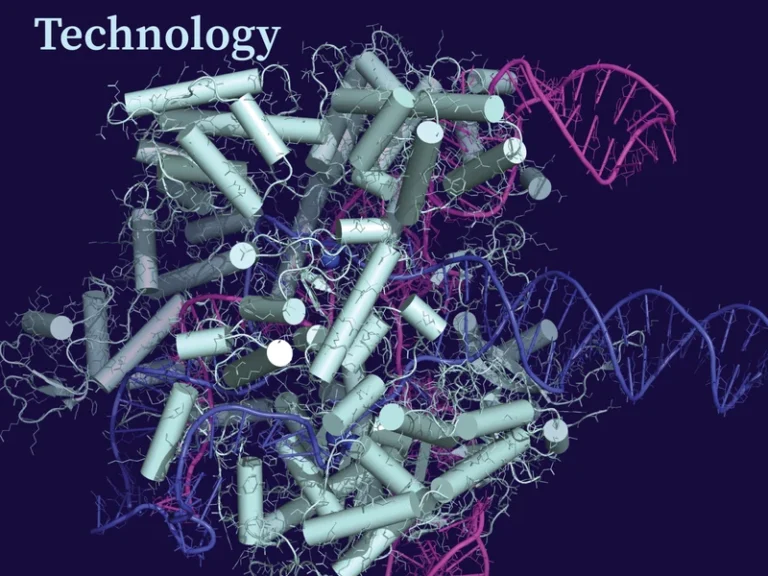
In 2012, Emmanuelle Charpentier and Jennifer Doudna made the seminal breakthrough: they engineered a dual-component molecular machine fusing the Cas9 endonuclease with a synthetic single guide RNA (sgRNA). This programmable molecular scalpel can navigate three billion base pairs of human chromatin to slice double-stranded DNA at an exact target locus.
Their groundbreaking discovery was honored with the 2020 Nobel Prize in Chemistry, recognized as one of the most transformative biotechnological tools ever devised.
Structural enzymology of the SpCas9 endonuclease revealed two distinct catalytic nuclease domains: RuvC and HNH, each responsible for cleaving a specific strand of target DNA. This modular architecture allowed protein engineers to convert Cas9 into a single-strand nickase or a catalytically deactivated dead Cas9 capable of transporting transcriptional activators or epigenetic modulators.
Molecular Anatomy of Sickle Cell Pathology: The Lethal Point Mutation
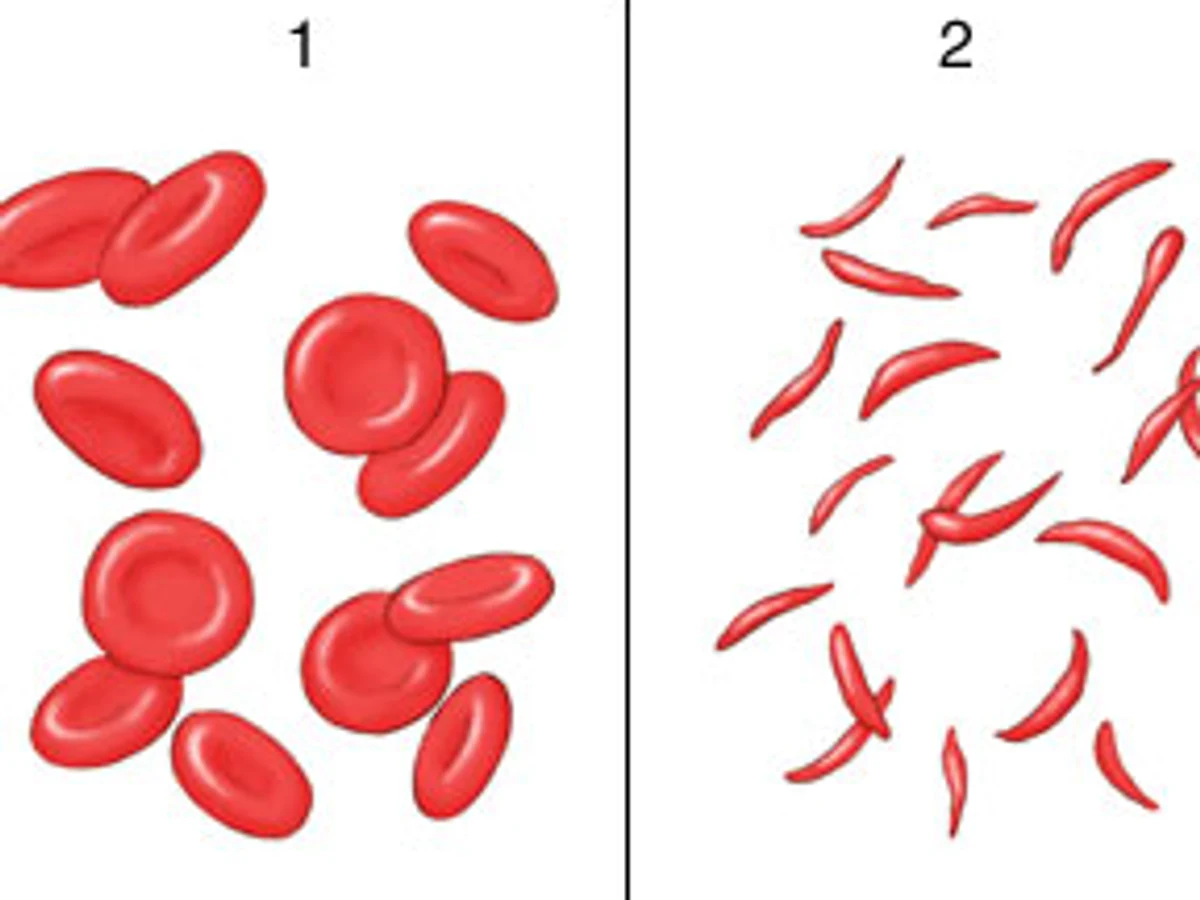
Sickle cell disease was the first genetic condition characterized at the molecular level by Linus Pauling in 1949. A single nucleotide substitution in the HBB gene exchanges adenine for thymine, replacing hydrophilic glutamic acid with hydrophobic valine at position six of the beta-globin polypeptide.
Under hypoxic conditions in peripheral tissues, mutant hemoglobin (HbS) crystallizes into rigid polymer chains, distorting biconcave erythrocytes into sickle shapes. These stiff cells obstruct microvasculature, precipitating catastrophic vaso-occlusive crises, ischemic bone pain, and multi-organ damage.
Allogeneic bone marrow transplantation long served as the only curative option, but carried grave risks of graft-versus-host disease and required lifelong immunosuppressive drugs.
The systemic morbidity of sickle cell disease extends far beyond episodic pain. Chronic intravascular hemolysis floods plasma with cell-free hemoglobin, which scavenges endothelial nitric oxide, driving generalized vasoconstriction, systemic inflammation, progressive pulmonary hypertension, and ischemic organ failure in young adulthood.
Frequent hospitalizations for acute chest syndrome and chronic narcotic dependence severely compromised patient quality of life, compounding psychological trauma with progressive cardiovascular degradation.
Guided by RNA, the Cas9 enzyme precisely locates and cuts target DNA among 3 billion genomic bases.
Disrupting the BCL11A enhancer reactivates fetal hemoglobin, preventing sickle erythrocyte deformation.
Treated patients experience enduring cessation of debilitating vaso-occlusive pain crises.
The first global regulatory approval of a CRISPR medicine heralds therapies for thousands of genetic diseases.
An Ingenious Biomolecular Workaround: How Casgevy Functions
Rather than attempting to correct the broken HBB gene directly, the creators of Casgevy implemented an elegant bypass: reactivating fetal hemoglobin (HbF).
During embryonic development, the fetus relies on gamma-globin chains to produce fetal hemoglobin, which possesses a higher oxygen affinity. Shortly after birth, the master transcriptional repressor BCL11A silences gamma-globin synthesis.
Casgevy harvesting the patient’s own CD34+ hematopoietic stem cells. Using high-efficiency electroporation, Cas9-sgRNA complexes are delivered to disrupt the erythroid enhancer of the BCL11A gene. Without this repressor, developing erythrocytes produce copious fetal hemoglobin, physically preventing HbS sickle polymerization.
By utilizing viral-free electroporation to introduce the Cas9-sgRNA ribonucleoprotein complex into mobilized CD34+ stem cells, the Casgevy platform achieves greater than 90 percent editing efficiency while avoiding the genotoxic risks and insertional mutagenesis associated with retroviral or lentiviral gene vectors.
Off-target genomic analyses utilizing GUIDE-seq and deep circularization-based high-throughput sequencing confirmed exceptional precision: no detectable chromosomal translocations or oncogenic insertions occurred across clinical patient cohorts.
«We have crossed a profound scientific Rubicon: CRISPR technology has transitioned from fundamental academic laboratories directly into the clinic, curing fatal diseases and saving lives.»
Dr. Jennifer Doudna, Nobel Laureate in Chemistry and Professor at UC Berkeley
Clinical Efficacy: Complete Freedom from Vaso-Occlusive Agony
Pivotal global clinical trials reported in The New England Journal of Medicine demonstrated unprecedented curative outcomes. Over 95 percent of sickle cell disease patients remained entirely free of severe vaso-occlusive crises over prolonged follow-up.
Concurrently, more than 93 percent of transfusion-dependent beta-thalassemia patients achieved complete transfusion independence.
Because the protocol reinfuses the patient’s own edited cells, immunological rejection is eliminated, sparing patients from chronic immunosuppression.
Long-term post-marketing registries confirm that a single infusion establishes stable long-term engraftment, with durable fetal hemoglobin expression comprising 40 to 50 percent of total circulating hemoglobin, permanently neutralizing the sickle phenotype in vivo.
Kinetic assays of bone marrow biopsies indicate rapid donor-free myeloid engraftment within 28 days post-infusion, with durable multi-lineage hematopoiesis established across all treated recipients.
- First commercial CRISPR-Cas9 therapeutic authorized by international health agencies.
- Autologous stem cell collection eliminates the danger of graft-versus-host disease.
- Elimination of severe vaso-occlusive episodes in 95% of treated individuals.
- Catalyst for base and prime editing platforms addressing diverse monogenic disorders.
The Future of Precision Genome Surgery: Base and Prime Editing
The regulatory clearance of Casgevy paves the way for advanced genomic tools. While Cas9 generates double-strand breaks, next-generation base editors and prime editors execute targeted single-nucleotide conversions without cutting the DNA backbone.
Developed by researchers like David Liu, these deaminase-coupled editors reduce off-target insertions, deletions, and chromosomal translocations to near zero.
Active clinical pipelines are advancing CRISPR therapeutics for genetic blindness, Duchenne muscular dystrophy, and hereditary transthyretin amyloidosis.
The horizon of CRISPR therapeutics is rapidly advancing toward direct in vivo delivery via engineered lipid nanoparticles. Targeted liver and bone marrow tropism will eventually eliminate the need for harsh myeloablative busulfan conditioning, democratizing gene editing for global health equity.
Ultimately, the approval of Casgevy represents a watershed triumph of rational drug design, definitively transitioning genetics from a diagnostic science to an active curative discipline.